

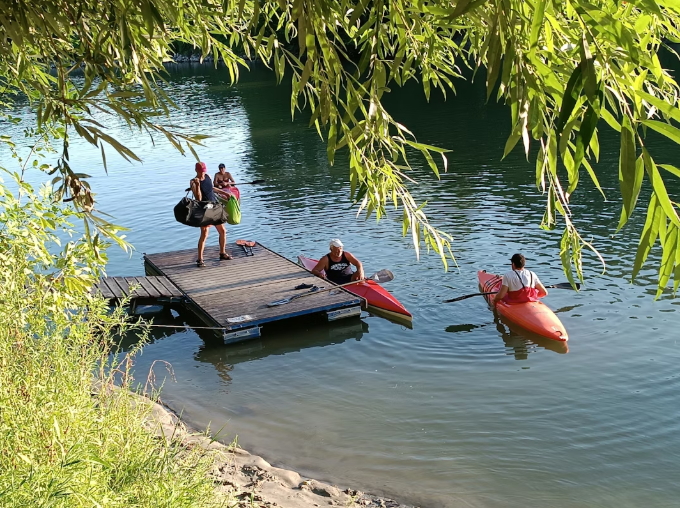
River rafting trips are more than an adrenaline-filled adventure—they offer a unique way to connect with nature and observe wildlife in their natural habitats. Floating along rivers allows travelers to access remote areas, providing opportunities to experience landscapes, ecosystems, and wildlife that are often unreachable by foot or vehicle.
From majestic birds soaring overhead to the quiet rustle of riverbank animals, each trip immerses participants in the beauty and diversity of the natural world.
-
Observing Aquatic Life
One of the most fascinating aspects of river rafting trips is encountering aquatic wildlife up close. Rivers serve as vital ecosystems, supporting fish, amphibians, and invertebrates. Rafters may spot fish swimming beneath the surface, turtles sunbathing on rocks, or beavers building lodges along the riverbank. These observations create a deeper appreciation for the river’s role in sustaining biodiversity and highlight the delicate balance of aquatic habitats.
2. Birdwatching from the Water
Rivers attract a variety of bird species, making rafting trips ideal for birdwatching enthusiasts. Eagles, herons, kingfishers, and ospreys are commonly seen hunting for fish or nesting in nearby trees.
Quiet paddling allows participants to witness natural behaviors without disturbing the birds. Seasonal migrations also bring unique opportunities, as different species appear at various times of the year, enriching the experience with ever-changing wildlife encounters.
3. Exploring Riverbank Ecosystems
The areas along riverbanks are home to diverse plant and animal life. During rafting trips, travelers can observe mammals such as deer, otters, or foxes emerging to drink or forage. Flowering plants, shrubs, and tall grasses provide shelter and food for these creatures.
Navigating through these ecosystems gives participants a rare chance to experience the intricate connections between flora and fauna while understanding the importance of preserving natural habitats.
4. Scenic Landscapes and Geological Formations
Beyond wildlife, river rafting trips offer access to stunning landscapes and geological features. Rivers carve through canyons, cliffs, and valleys, revealing layers of rock and unique formations shaped over millennia.
Calm stretches allow rafters to admire reflective waters, dense forests, and open meadows. This combination of moving water and surrounding terrain creates a dynamic and ever-changing environment that enhances the sense of adventure and discovery.
5. Seasonal Changes and Natural Phenomena
Each season offers distinct experiences on river rafting trips. Spring brings blooming vegetation and increased wildlife activity. Summer provides full foliage, warm weather, and vibrant riverscapes.
Autumn introduces colorful foliage and unique wildlife behaviors, while winter in some regions offers snow-dusted landscapes and tranquil waters. Understanding seasonal variations helps travelers plan trips to maximize both wildlife sightings and scenic enjoyment.
6. The Importance of Eco-Conscious Rafting
Responsible rafting practices protect the natural environment for future trips. Staying on designated paths, minimizing noise, and avoiding litter ensures minimal impact on wildlife.
Eco-conscious behavior preserves river ecosystems, allowing travelers to enjoy pristine conditions and supporting the conservation of these natural areas.
Conclusion
In conclusion, river rafting trips offer more than thrilling water adventures—they provide a gateway to experiencing wildlife, exploring diverse ecosystems, and appreciating scenic landscapes. Observing aquatic life, birds, and riverbank animals, combined with seasonal changes and geological wonders, makes each rafting journey a unique and immersive encounter with nature.
With eco-conscious practices, travelers can enjoy these experiences while protecting the river environment for generations to come.
